


Protecting Children & Teens
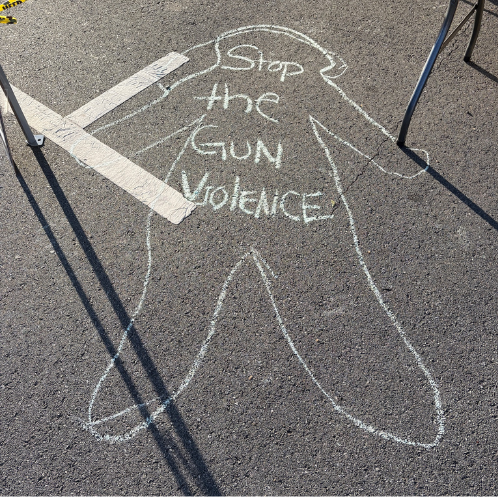
Firearm injury is a leading and preventable cause of death and trauma for children and teens in the United States. Recent national data show: · Firearms are the leading cause of death for U.S. children and teens (ages 1–17), surpassing car crashes and cancer since 2020. · The CDC reports that firearm injuries are a major public health problem. · Among children and teens, gun deaths include homicides, suicides, and unintentional shootings. · Exposure to gun violence has serious mental health impacts. Youth exposed to firearm homicides in their communities are more likely to experience anxiety, depression, and other mental health challenges. · The American Academy of Pediatrics (AAP) and other major medical organizations view firearm injury prevention as a core part of child health and safety counseling—similar to seat belt or pool safety.
Guilford County · From 2014–2023, there were 1,288 violent deaths in Guilford County due to injury, including homicide, suicide, unintentional firearm deaths, legal intervention, and undetermined intent. · In 2023, local reporting indicates Guilford County had 2,612 violent-crime incidents, and about 60% (1,581) involved firearms, including homicides, suicides, and accidental shootings. Alamance County & Orange County Unfortunately, publicly available, recent, county-level data (2019–2024) for firearm deaths in Alamance and Orange Counties that meet our nonprofit’s data-quality standards (i.e., verified counts or age-adjusted rates) are sparse in sources reviewed. Several statewide reports aggregate only the top counties by number or rate, and Alamance and Orange do not consistently appear in those top lists.
CRM Legacy Foundation centers secure storage, adult responsibility, and youth empowerment. The guidance below is aligned with pediatric and public health experts. A. Secure Storage at Home Major pediatric organizations recommend that the safest home for children is one without guns. If a family does choose to have firearms, every gun should be: · Locked · Unloaded · Stored with ammunition locked separately · Keys/combinations kept out of children’s reach and knowledge The Be SMART campaign summarizes core steps for adults: · Secure all guns in homes and vehicles · Model responsible behavior around guns · Ask about unsecured guns in other homes · Recognize the role of guns in suicide · Tell your peers to be SMART B. Safe Behavior Around Firearms For adults and older teens who may be around firearms (e.g., in family or community settings): · Treat every gun as if it is loaded. · Never point a gun at yourself or anyone else. · Keep your finger off the trigger until ready to safely shoot in an appropriate, supervised environment. · Be sure of your target and what is beyond it. · Never use alcohol or drugs when handling a firearm. C. Talking with Other Adults Children and teens often spend time in homes other than their own. Pediatric experts encourage parents and caregivers to: · Ask other parents, relatives, and caregivers: “Are there any guns in your home? If so, how are they stored?” · Share that you only allow your child to visit homes where guns are stored locked, unloaded, and separate from ammunition.
A. Signs of Unsafe Access or Storage · Guns stored loaded, unlocked, or within easy reach of children or teens (e.g., nightstands, closets, vehicles). · Children or teens who know where guns are kept, know the safe’s combination, or can describe how to get a gun quickly. · Youth showing off guns in person or online or posting photos of themselves with guns in unsafe ways. · Guns left unattended in vehicles or common areas. · Adults dismissing concerns as “no big deal” when guns are left unlocked or accessible. B. Behavioral Warning Signs of Possible Violence or Self-Harm · Ongoing talk about harming oneself or others, or about specific violent plans. · Fixation on weapons, mass shootings, or violent content, especially combined with anger or grievances. · Serious bullying, social isolation, or targeted harassment (as victim or perpetrator). · Sudden changes in behavior: giving away possessions, saying “you won’t have to worry about me much longer,” or withdrawing from friends and activities. · Escalating threats online or in person, including sharing disturbing images or making “jokes” about shootings.
A. At Home · Follow secure storage recommendations from HealthyChildren.org and the AAP Safe Storage of Firearms. · Use the Be SMART framework to guide conversations with family, friends, and neighbors about gun safety. B. In Schools & Youth Programs · Bring evidence-informed prevention programs to your school: o Sandy Hook Promise Programs – including Say Something and Start With Hello, which train students to recognize warning signs and get help. · Encourage your school or district to adopt threat assessment and school safety best practices grounded in prevention. C. In the Community · Share educational materials and host community conversations. · Support organizations, including ours, that provide youth programs, educator training, and family education. · Advocate for policies that support safe storage and violence prevention, guided by nonpartisan data from organizations such as the CDC and other trusted sources.
